Whole Grain Bread Benefits
Whole grains deliver superior taste and nutrition, especially when they're fresh ground daily, Great Harvest style!
The USDA recommends that healthy adults eat 6-8 ounces of grains each day, and to "Make Half Your Grains Whole." At Great Harvest, we agree. We also believe that eating healthy should taste great and that the best taste comes from the freshest ingredients. That's why we fresh grind our flour every day. You will taste the difference in breads made with the freshest, most flavorful ingredients, and you'll benefit from superior whole grain nutrition.
_Assets/images/eat_a_slice_a_day_for_your_health.jpg)
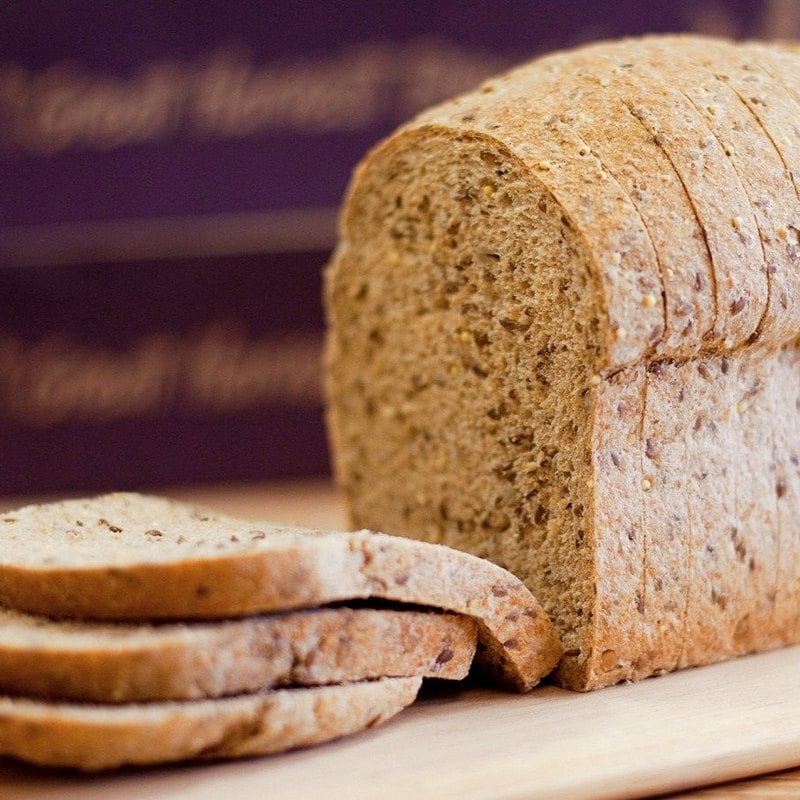
Eat a slice of whole grain bread every day for your health
Each local Great Harvest bakery cafe mills their flour daily to keep it whole and maintain all the protein, fiber, vitamins, minerals, and phytochemicals the wheat kernel naturally provides. Federal Dietary Guidelines recommend that most healthy adults consume 6-8 one ounce equivalents of grains every day. When you make at least half of them whole grains, you start to see important benefits — including a decreased risk of some of the biggest killers in America, such as: